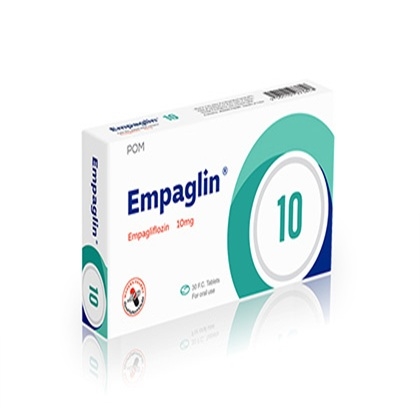
Talk to your doctor, pharmacist or nurse before taking this medicine, and
during treatment:
- if you have “type 1 diabetes”. This type usually starts when you are young
and your body does not produce any insulin.
- if you experience rapid weight loss, feeling sick or being sick, stomach pain,
excessive thirst, fast and deep breathing, confusion, unusual sleepiness or
tiredness, a sweet smell to your breath, a sweet or metallic taste in your
mouth, or a different odour to your urine or sweat, contact a doctor or the
nearest hospital straight away. These symptoms could be a sign of “diabetic
ketoacidosis” – a rare, but serious, sometimes life-threatening problem you
can get with diabetes because of increased levels of “ketone bodies” in your
urine or blood, seen in tests. The risk of developing diabetic ketoacidosis may
be increased with prolonged fasting, excessive alcohol consumption,
dehydration, sudden reductions in insulin dose, or a higher need of insulin due
to major surgery or serious illness.
- if you have serious kidney or liver problems – your doctor may ask you to
take a different medicine.
- might be at risk of dehydration, for example:
• if you are being sick, have diarrhoea or fever, or if you are not able to eat or
drink
• if you are taking medicines that increase urine production [diuretics] or lower
blood pressure or if you are over 75 years old.
- if you have a serious infection of the kidney or the urinary tract with fever.
Your doctor may ask you to stop taking Empaglin® until you have recovered.
- Talk to your doctor immediately if you develop a combination of symptoms of
pain, tenderness, redness, or swelling of the genitals or the area between the
genitals and the anus with fever or feeling generally unwell. These symptoms
could be a sign of a rare but serious or even life-threatening infection, called
necrotising fasciitis of the perineum or Fournier’s gangrene which destroys
the tissue under the skin. Fournier’s gangrene has to be treated immediatelyChildren and adolescents: Empaglin® film coated tablet can be used in children aged 10 years and older for the treatment of type 2 diabetes. No data are available in children below 10 years of age
Empaglin® is not recommended for children and adolescents under 18 years of age for the treatment of heart failure or for the treatment of chronic kidney disease, because it has not been studied in these patients.